
Reducing Direct
Greenhouse Gas
Emissions
By using innovative technologies that significantly improve process gas treatment efficiency,
Samsung Electronics can keep direct carbon emissions (Scope 1) down even as production increases.
Direct greenhouse gas
emissions (Scope 1) roadmap
-
2024
- Developed a highly efficient RCS1) catalyst with 97% treatment efficiency
- Expanded application of RCS1) and waste heat recovery to new production lines
- Achieved a 51% waste heat utilization rate2)
-
2025
- Achieved a 25% application rate for highly efficient RCS1) catalysts
- Developed and applied alternative gases with low global warming potential
- Increased the waste heat utilization rate
up to 55%2)
-
2030
- Aim to achieve net zero carbon emissions in
DX Division (Scope 1∙2) - Improve process gas treatment efficiency by developing innovative technologies
- Expand process gas treatment facilities
- Reduce the use of LNG boilers by maximizing the utilization of waste heat recovery system
- Aim to achieve net zero carbon emissions in
-
2050
- Aim to achieve company-wide net
zero carbon emissions (Scope 1∙2)
- Aim to achieve company-wide net
- Regenerative Catalytic System
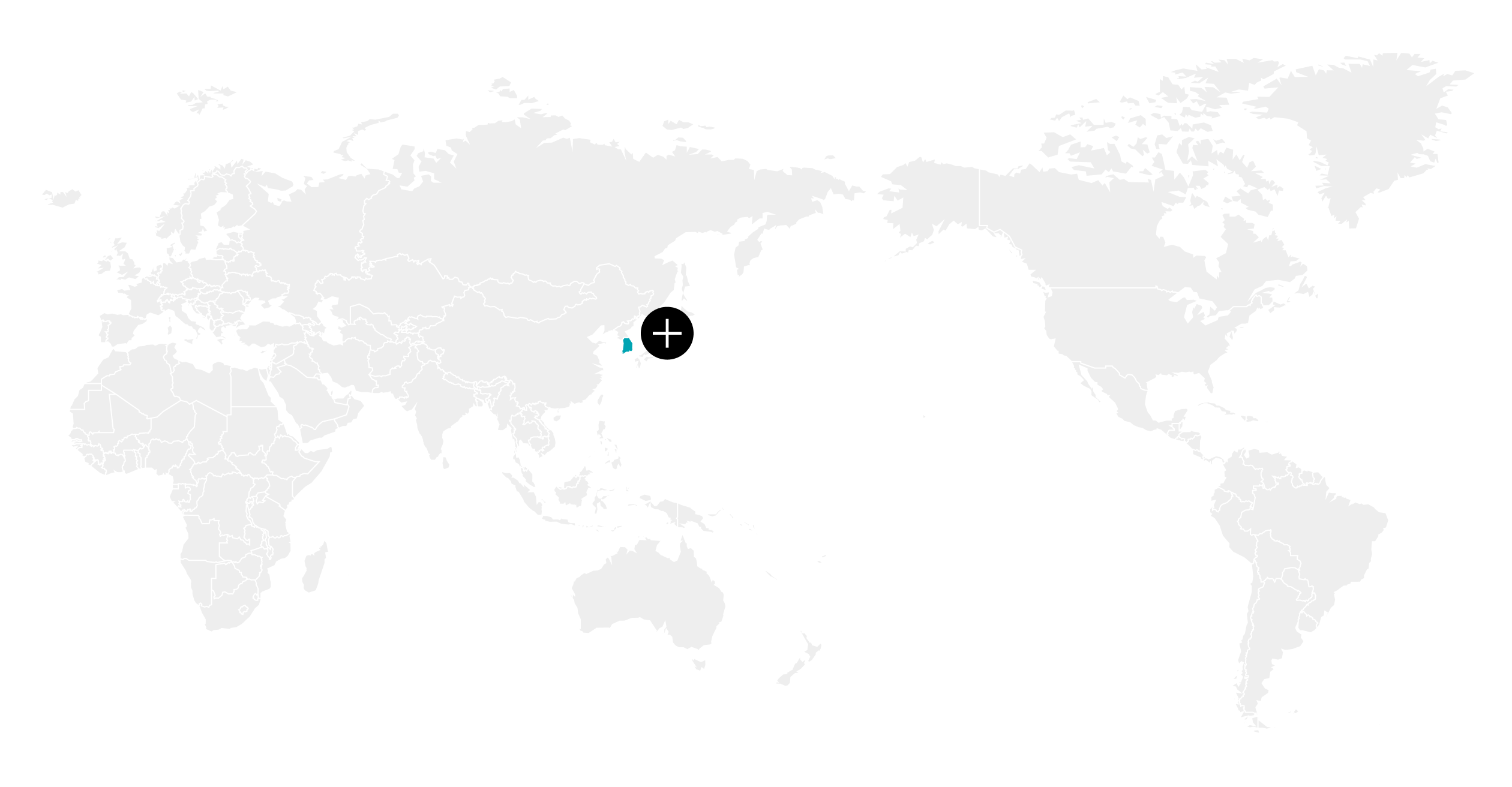
- Giheung, Hwaseong, and Pyeongtaek sites
-
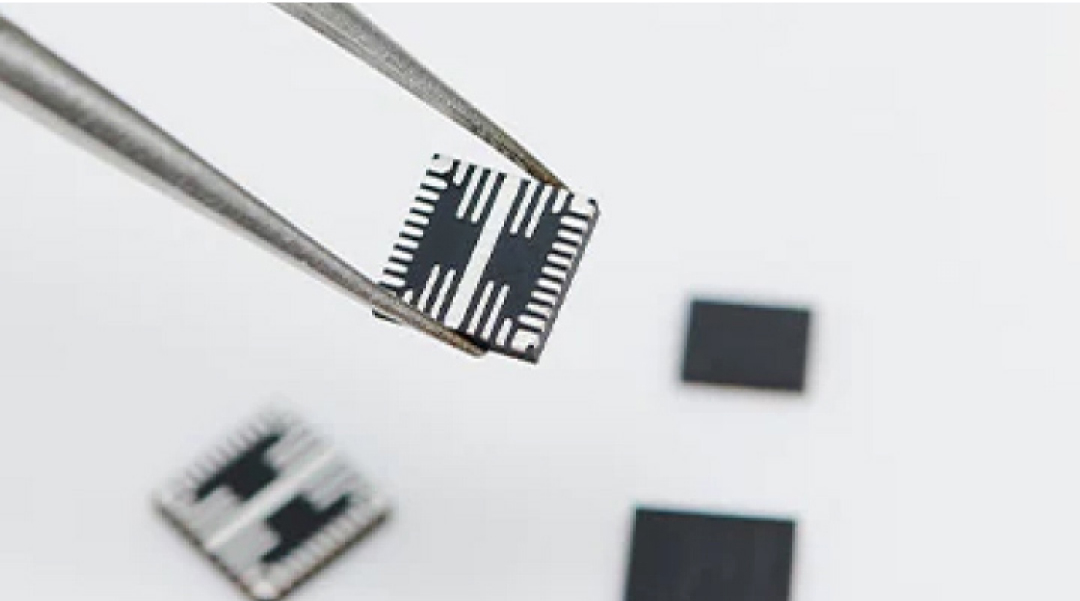
Demand for semiconductors is increasing
Learn more
across
industries, creating the need to
manufacture more while
emitting less. -

DX Division's efforts in energy efficiency
Learn more
and
greenhouse gas reduction
for a better tomorrow
Shifting to
Renewable Energy
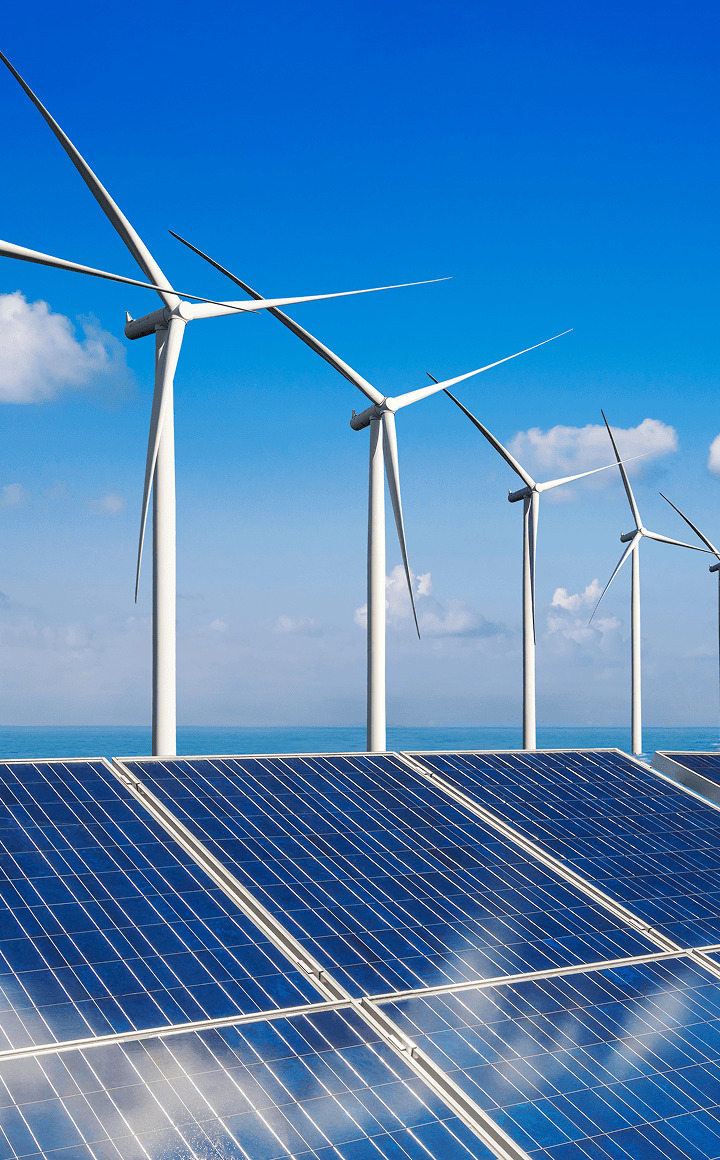
We aim to transition to
100% renewable energy by 2050
Renewable energy roadmap
-
2018
Declared to expand the
use of renewable energy
(100% in the U.S., Europe
and China by 2020) -
2020
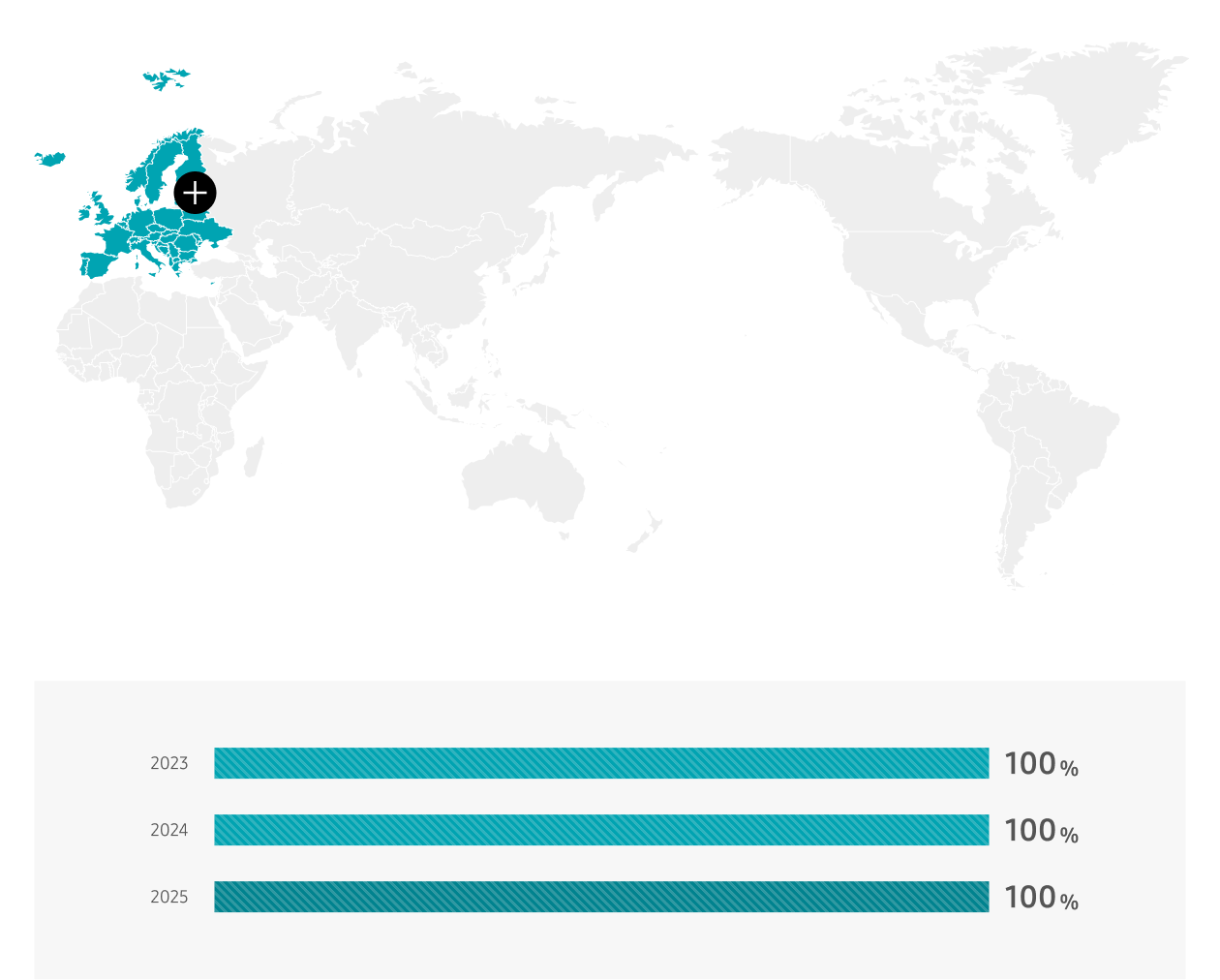
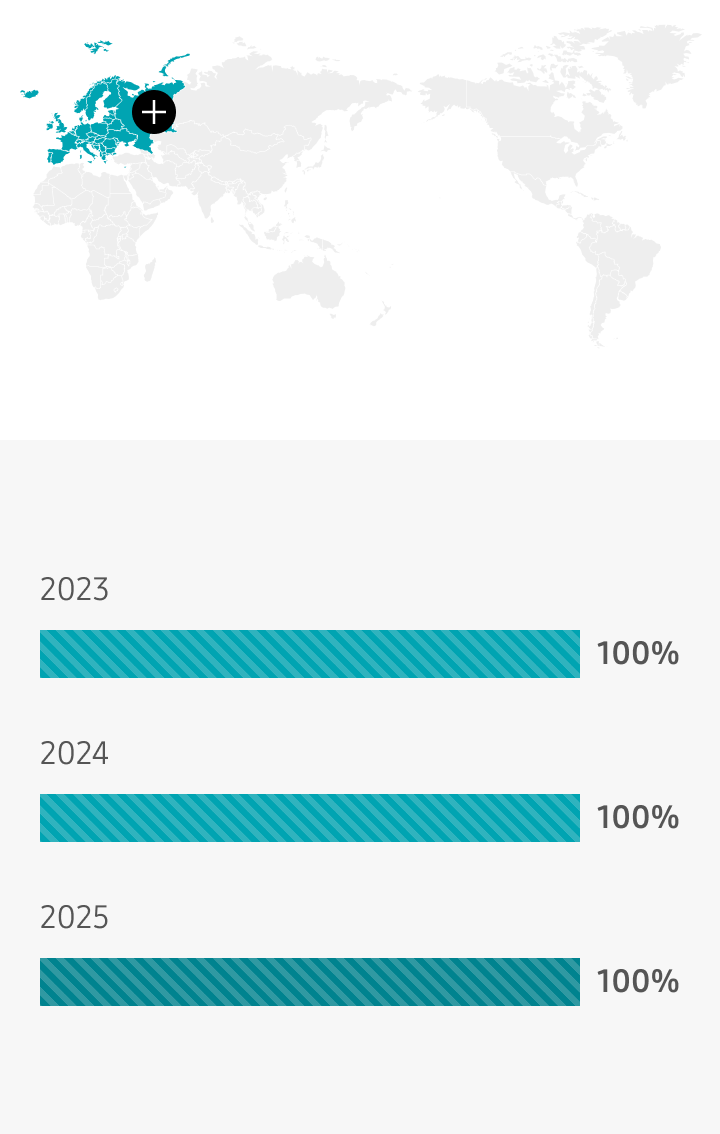
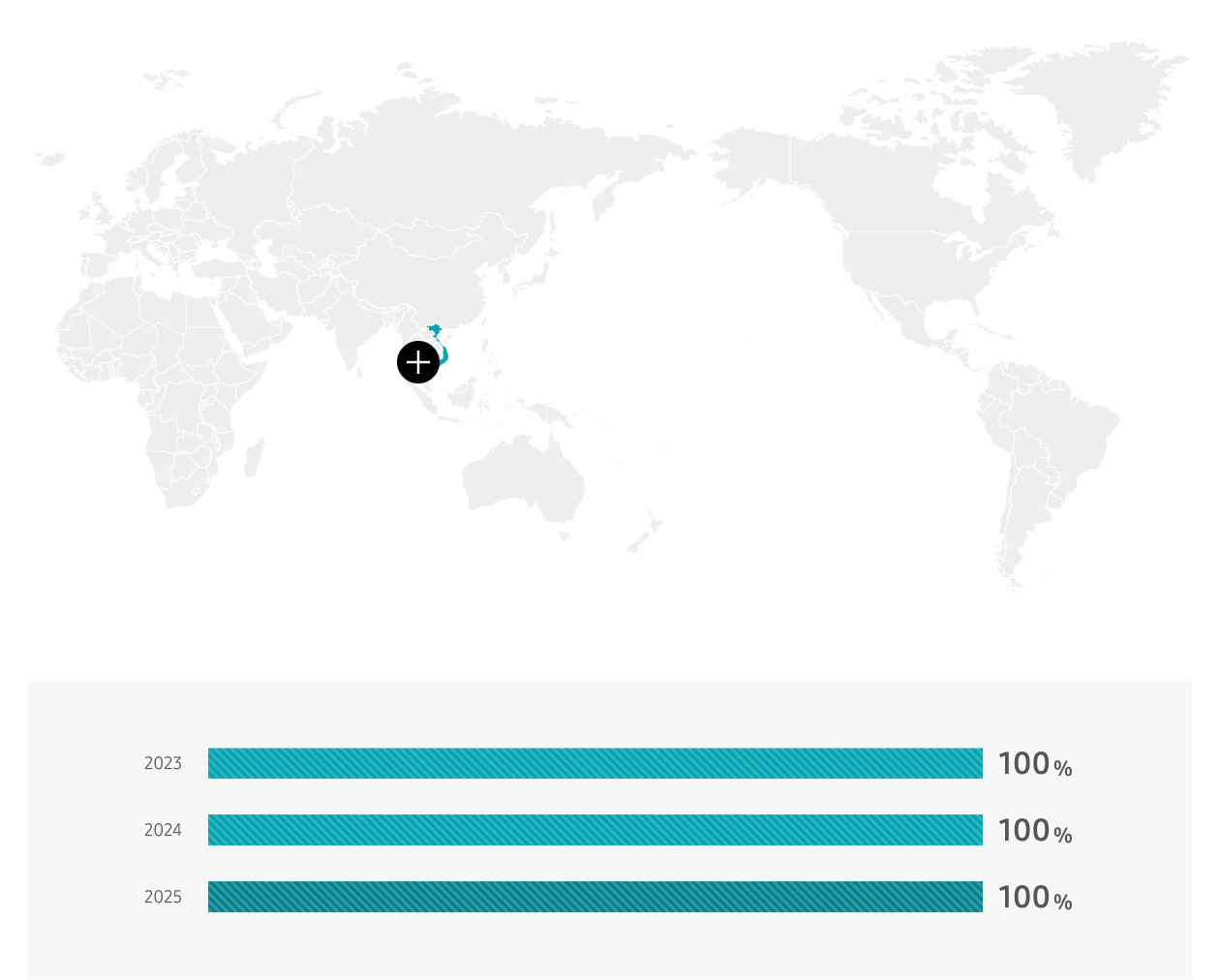
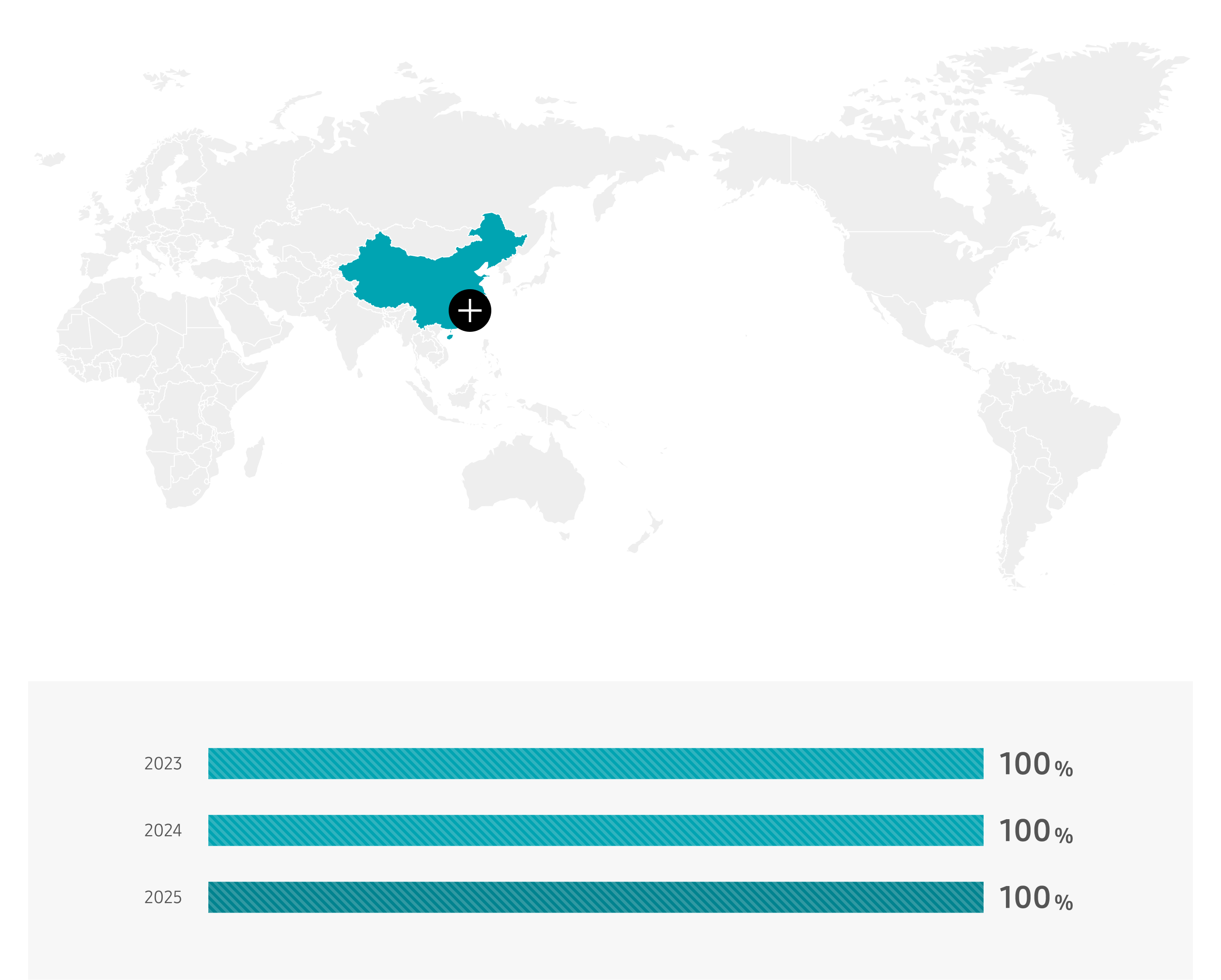
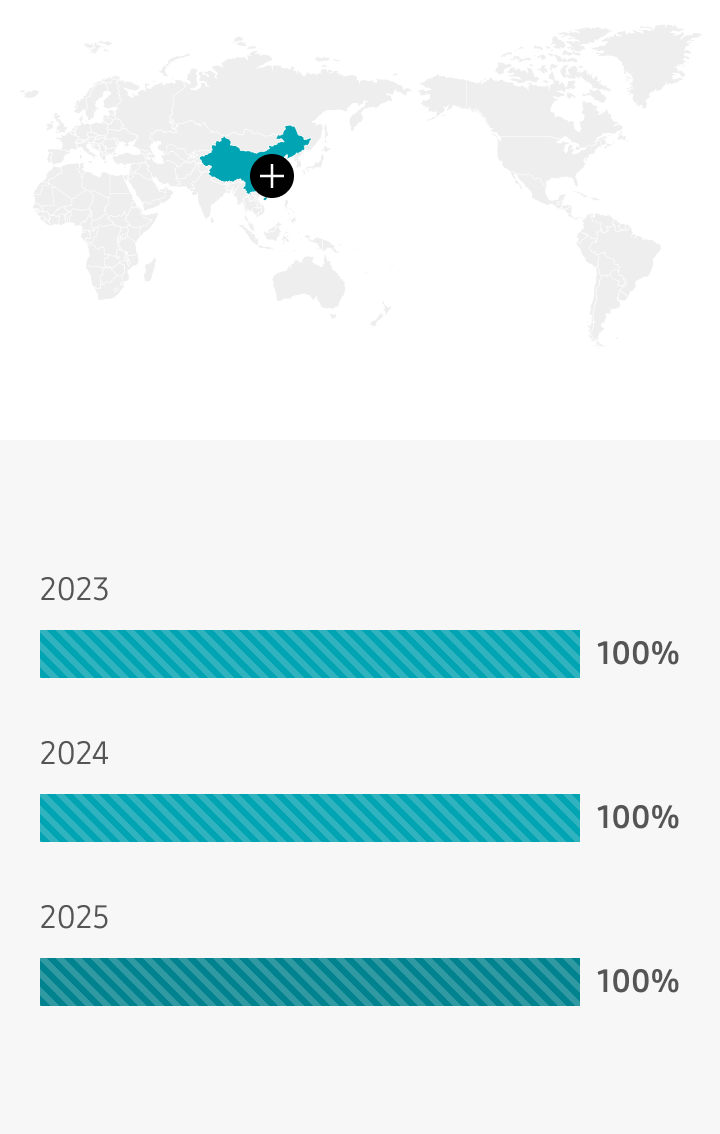
Transitioned to 100%
renewable energy use in
the U.S., Europe and ChinaCompleted the transition to 100% renewable energy at DS Division's overseas sites
-
2022
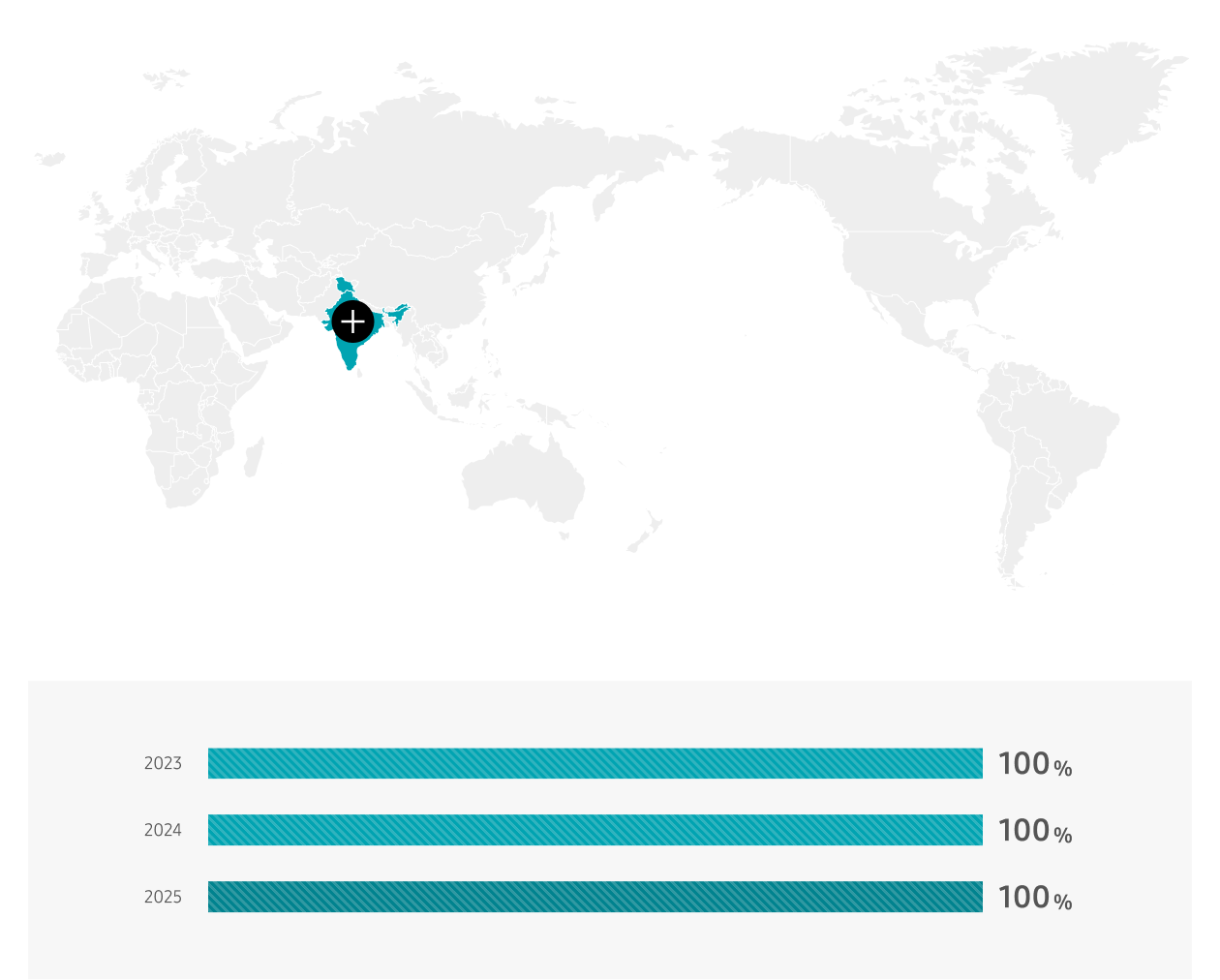
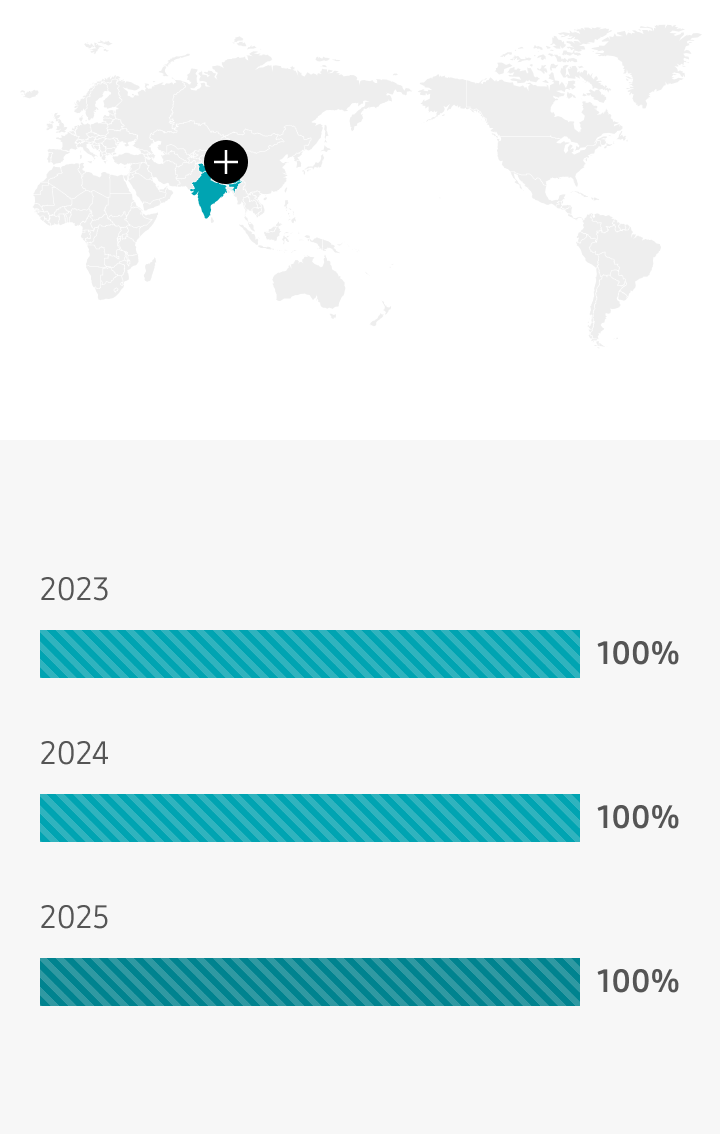
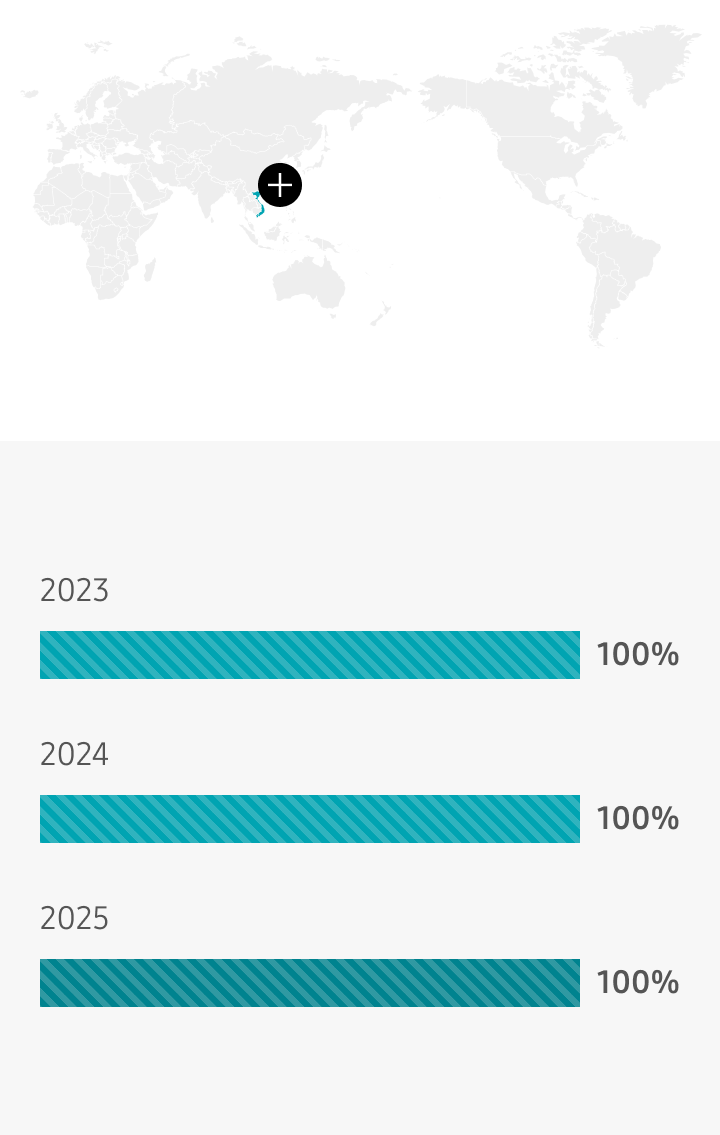
Completed the transition
to 100% renewable energy
at all DX Division sites
in South Korea and
manufacturing sites
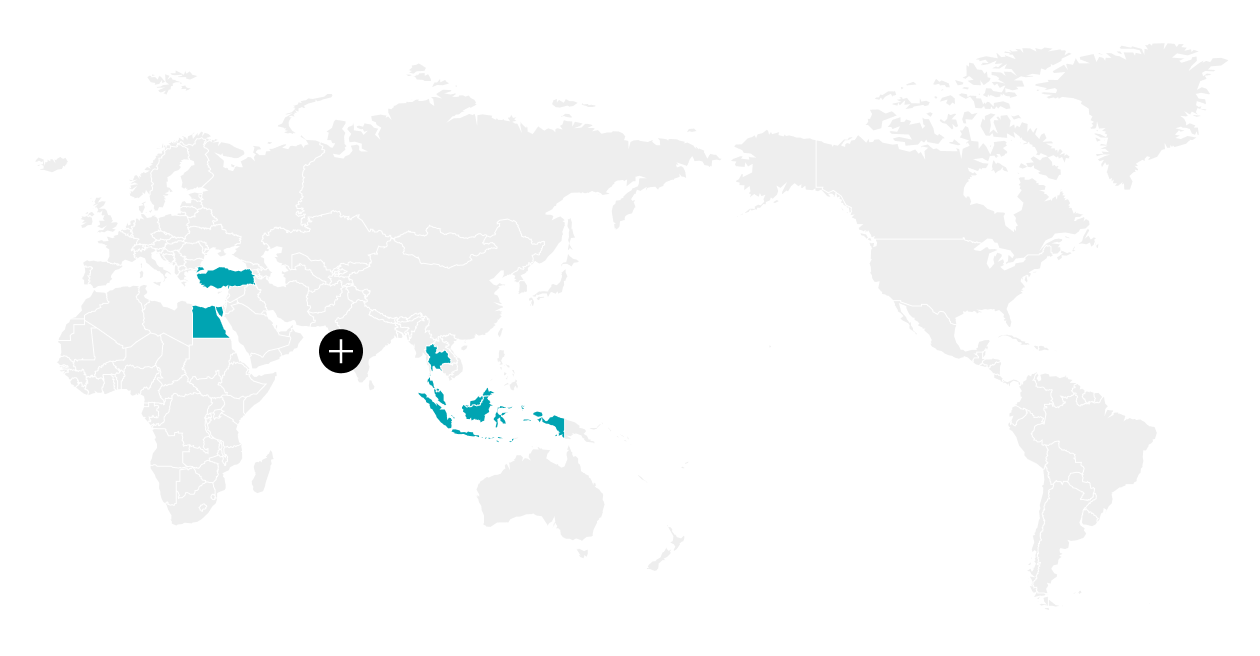
in Vietnam, India, and Brazil -
2025
Completed the transition
to 100% renewable energy
at all manufacturing sites
in Latin America -
2027
Aim for 100% renewable
energy transition in
DX Division and
all overseas
sites*DX∙DS Divisions
-
2050
Aim for 100% renewable
energy transition for all
global operations
renewable energy
consumption Unit: GWh
renewable energy
consumption
-
DX Division
94.8%
-
DS Division
26.2%
-
Company-wide
32.5%
renewable energy
at our global
manufacturing sites
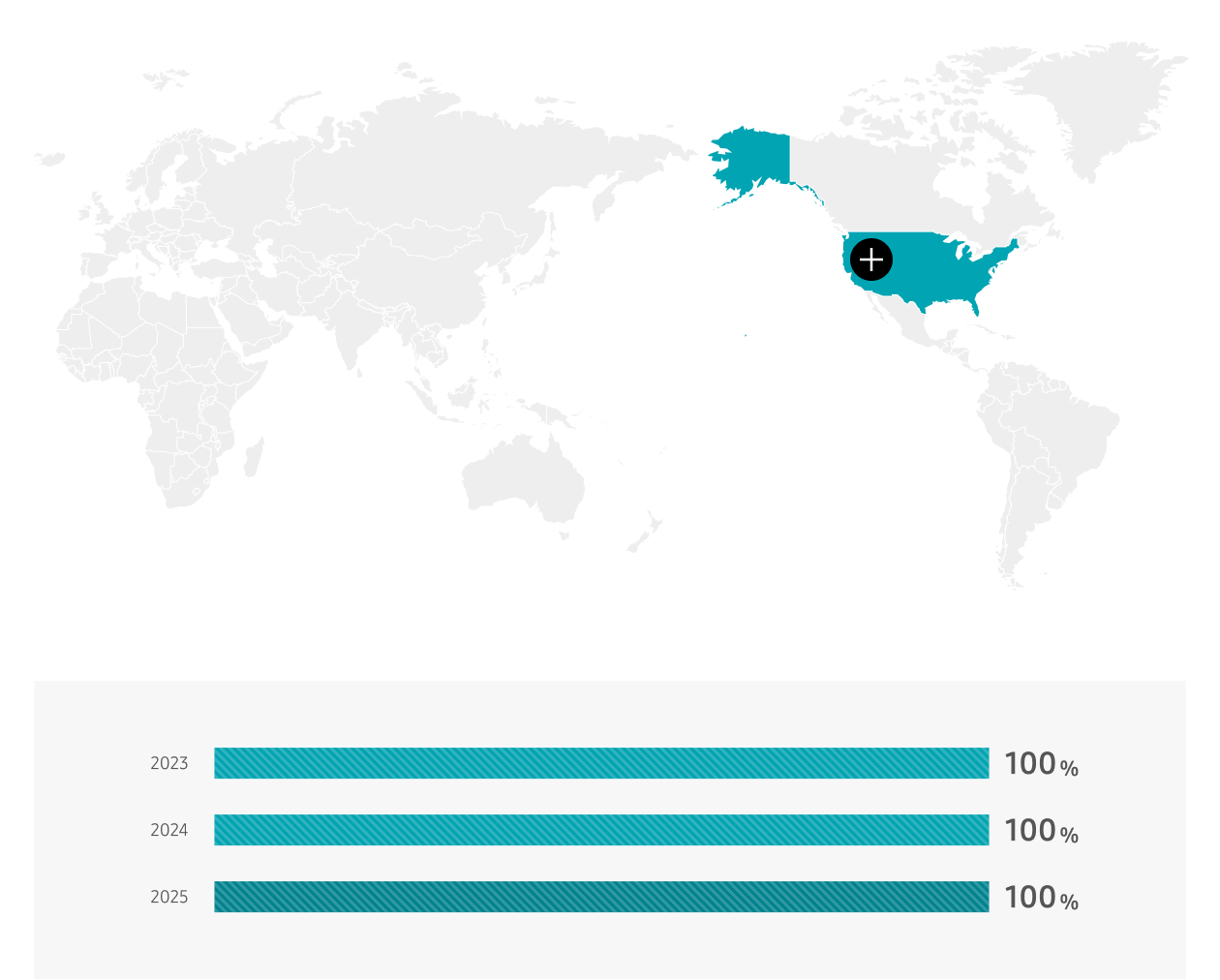
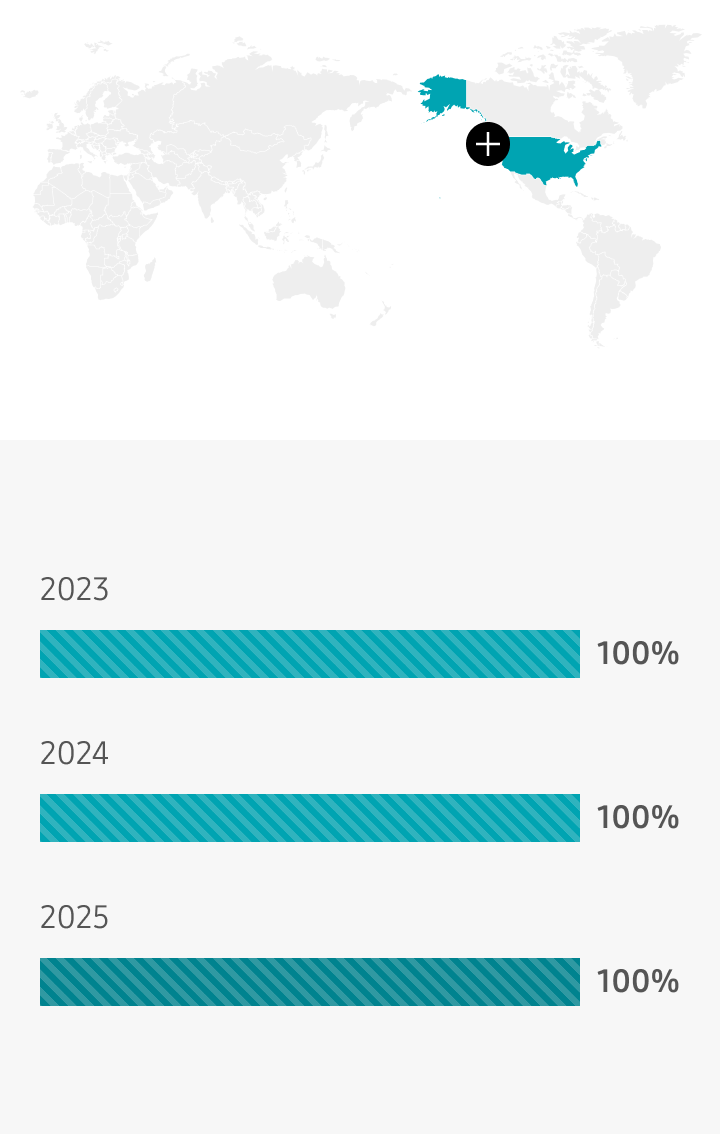
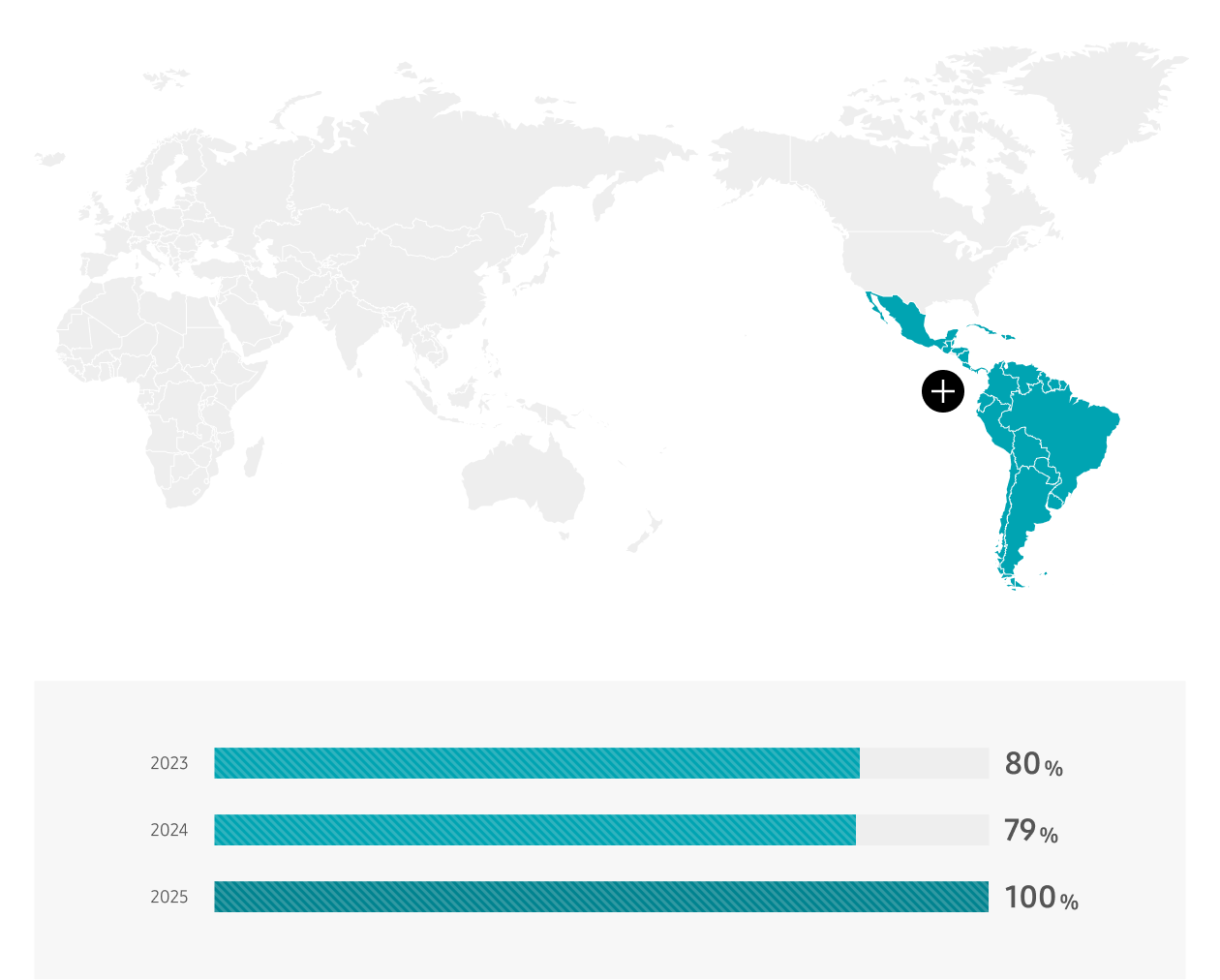
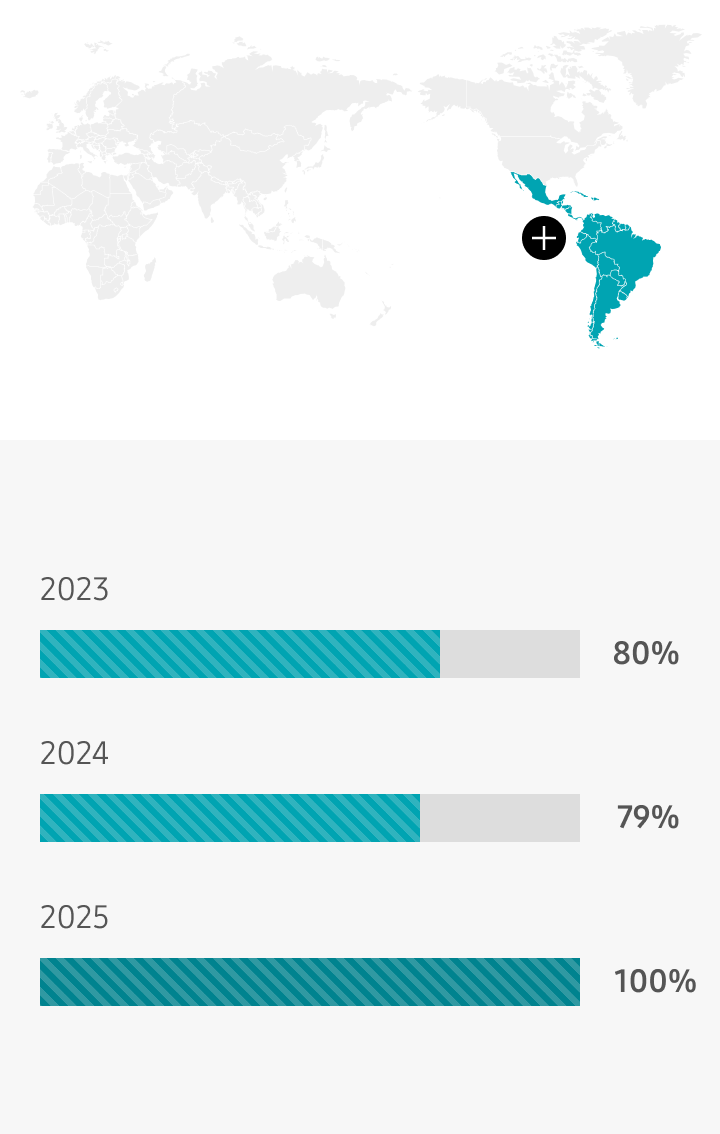
Decarbonizing Our
Value Chain
Continued carbon emission
reductions in upstream and
downstream operations
Value chain carbon reduction
roadmap
-
2024
Energy efficiency of leading
models of seven major product
categories improved by 31.5%
compared to 2019 -
2025
Energy efficiency of leading models of
seven major product categories1)
improved by 34.4%2) compared to 2019
using energy saving technologies -
2030
Improve energy efficiency of leading models
of seven major product categories1) by 30%2)
- Major product categories (2025 models): Refrigerator (RT34DG5A4DSLHL), Air Conditioner (AC052FCADKF/TL), Washing Machine (WD90F25AHT), TV (KQ75QNF990FXKR), Monitor (LS49DG952SKXKR), PC (NP960XJG), Smartphone (SM-S938)
- Compared to the 2019 models with equivalent performance and specifications


We aim to reduce
carbon emissions
throughout our
products’ lifecycles
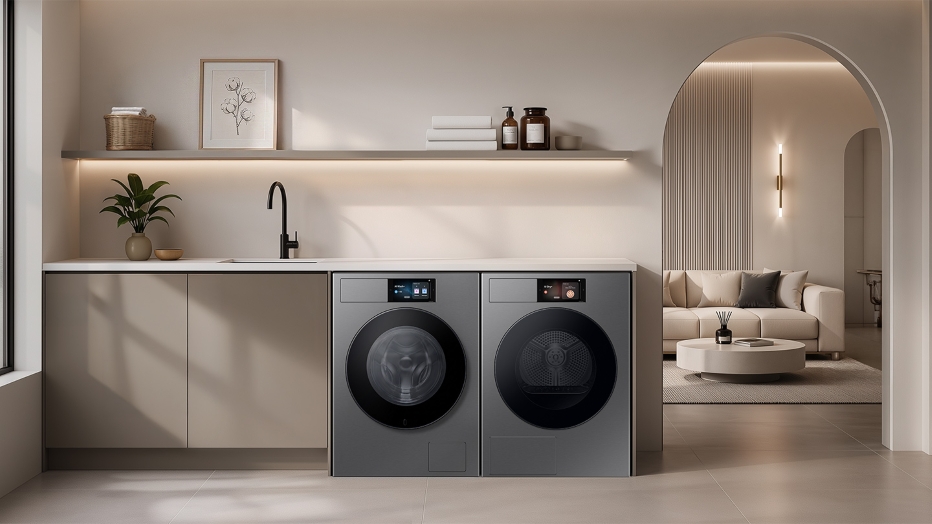
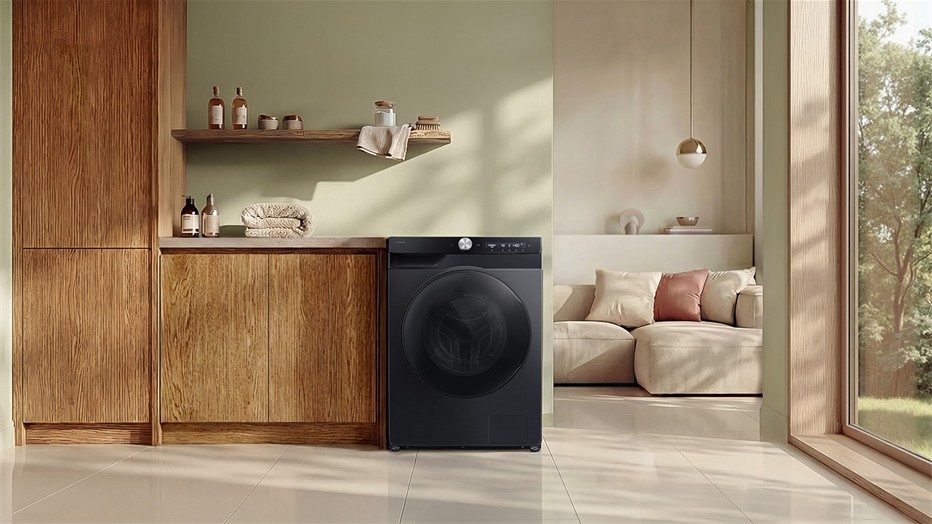
Manufacturing is only one of many stages in the entire product life cycle. We strive to reduce carbon emissions across all stages of the product life cycle including distribution, sales, and use in collaboration with our consumers, suppliers, and other stakeholders.
In particular, we plan to utilize ultra-power-saving technology for semiconductors, which is expected to reduce the memory related power consumption of data centers and mobile devices. We also plan to apply the technology to the leading models of our seven major product categories (smartphone, refrigerator, washer, air conditioner, TV, monitor, and PC) and improve their power consumption by 30% by 2030 compared to the 2019 models with equivalent performance and specifications.
Carbon emissions reduction in the product use stage
efficiency for leading
models of seven major
product categories
A bar chart showing the percentages from 2023 to 2025. 2023: 25.1%, 2023: 31.5%, 2024: 34.4%.
Carbon emissions reduction in other products
Climate action together with
our suppliers


Semiconductor
Life Cycle Assessment
process
To systematically evaluate the environmental impact of our semiconductor products, we, at DS Division, established a Life Cycle Assessment (LCA) process based on ISO 14040, 14044, and 14067 standards. Semiconductor manufacturing processes involve the use of electricity and process gases, having a substantial impact on climate change. Therefore, we selected the carbon footprint as our primary environmental impact category. The system boundary was defined as "cradle-to-gate," spanning from raw material extraction to the pre-shipment of products.
For the raw material extraction and processing stages, we utilized the Life Cycle Inventory Database (LCI DB) to calculate energy inputs and carbon emissions. For the manufacturing stage, we built a greenhouse gas inventory based on inputs and outputs throughout the entire process to derive carbon emissions per product unit. Based on the analysis of our LCA results, we plan to refine our reduction strategies to focus on major emission sources. We will also progressively establish a comprehensive management system that encompasses various environmental impact categories, including water and resource uses, in addition to carbon emissions.
Furthermore, DS Division participated in the national LCI DB development project led by the Korea Environmental Industry & Technology Institute (KEITI), supporting the establishment of foundational data for LCAs in the semiconductor industry. The data compiled through this project will be registered on the Global LCA Data Access Network (GLAD) in the International Life Cycle Data (ILCD) format, where it will be utilized for future LCAs across the semiconductor industry.